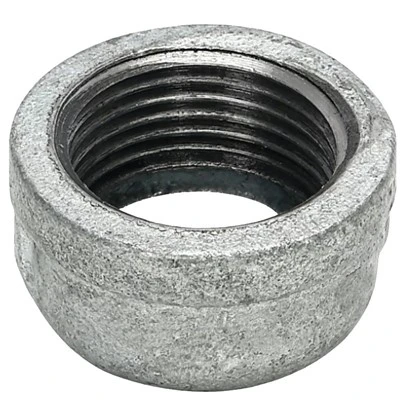
What are the acoustic properties of threaded reducing bushings?
Threaded reducing bushings are crucial components in various piping systems, used to connect pipes of different diameters. While much attention is often focused on their mechanical and structural characteristics, their acoustic properties are equally significant, especially in applications where noise control and sound transmission are of concern. As a dedicated supplier of threaded reducing bushings, I am eager to explore these acoustic aspects in detail and share how understanding them can enhance the performance of your piping systems.
Sound Transmission and Attenuation
One of the primary acoustic considerations with threaded reducing bushings is their role in sound transmission. When fluid flows through a piping system, it generates noise due to turbulence and vibrations. The design and material of the reducing bushing can significantly affect how this sound propagates through the system.
The change in pipe diameter at the reducing bushing can cause a disruption in the flow pattern, leading to additional turbulence and potentially increased noise. However, if the bushing is properly designed, it can also act as a sound attenuator. The sudden change in cross - sectional area can cause some sound waves to reflect back, reducing the amount of sound that travels further down the pipe.
The material of the threaded reducing bushing is also a key factor. For example, bushings made of malleable iron have different acoustic properties compared to those made of other materials. Malleable iron has a relatively high density, which can help to absorb and dampen sound waves. This means that in a piping system where noise reduction is important, malleable iron threaded reducing bushings may be a preferred choice.
Resonance and Vibration Damping
Resonance is another acoustic phenomenon that can occur in piping systems. When the natural frequency of a component in the system matches the frequency of the sound or vibration generated by the fluid flow, resonance can amplify the noise and potentially cause damage to the system.
Threaded reducing bushings can play a role in preventing resonance. By carefully selecting the size and material of the bushing, it is possible to change the natural frequencies of the piping system, avoiding resonance conditions. Additionally, the internal structure of the reducing bushing can act as a vibration damper. The irregular shape and the connection points within the bushing can dissipate the energy of vibrations, reducing their amplitude and the associated noise.
Impact on System - Wide Acoustics
The acoustic properties of threaded reducing bushings do not exist in isolation. They interact with the overall acoustics of the piping system. For instance, if a system has multiple reducing bushings, the cumulative effect on sound transmission and attenuation needs to be considered.
In a complex piping network, the placement of the reducing bushings can also influence the acoustic performance. Placing them at strategic locations where sound waves are likely to be reflected or absorbed can help to optimize the noise reduction of the entire system. Moreover, the combination of different types of fittings, such as Fully Threaded Nipple, Malleable Iron Cross, Galvanized Malleable Flat Union, Galvanized Malleable Male Nipple, and Galvanized Male Reducing Nipple along with the reducing bushings, can create a synergistic effect on the acoustic properties of the system.
Applications and Acoustic Requirements
Different applications have different acoustic requirements for threaded reducing bushings. In industrial settings, such as factories and power plants, where high - volume fluid flow and machinery noise are common, the primary goal may be to minimize the noise transmitted through the piping system to the surrounding environment. In this case, bushings with high sound - attenuation capabilities are essential.
In residential and commercial buildings, the focus is often on reducing noise within the building itself. For example, in a water supply system, noisy pipes can be a nuisance to the occupants. Threaded reducing bushings with good vibration - damping properties can help to keep the noise levels down, providing a more comfortable living or working environment.
Quality and Acoustic Performance
As a supplier of threaded reducing bushings, I understand the importance of quality in achieving optimal acoustic performance. High - quality bushings are manufactured with precision, ensuring a proper fit and a smooth internal surface. A well - fitting bushing reduces the chances of leaks, which can also generate noise.
The manufacturing process also affects the acoustic properties. For example, the heat - treatment process of malleable iron can influence its density and internal structure, which in turn affects its sound - absorbing capabilities. By adhering to strict quality control standards, we can provide bushings that consistently meet the acoustic requirements of our customers.
Conclusion
The acoustic properties of threaded reducing bushings are a complex but important aspect of their performance. By understanding how these bushings affect sound transmission, resonance, and vibration damping, you can make more informed decisions when selecting components for your piping systems.


As a trusted supplier, we are committed to providing high - quality threaded reducing bushings that not only meet your mechanical needs but also help to optimize the acoustic performance of your systems. Whether you are working on an industrial project or a residential building, our products are designed to provide reliable and efficient solutions.
If you are interested in learning more about our threaded reducing bushings or have specific acoustic requirements for your piping system, we encourage you to contact us for a detailed discussion. Our team of experts is ready to assist you in selecting the right products and providing technical support to ensure the success of your project.
References
- "Handbook of Piping Design and Engineering" by Mohinder L. Nayyar
- "Acoustics: An Introduction" by Mark F. Hamilton and Joel T. Fechter
- Industry standards and research papers on piping system acoustics