Identifying a high - quality short radius 45 - degree elbow is crucial for various industries that rely on fluid and gas transportation systems. As a prominent supplier of short radius 45 - degree elbows, I have seen firsthand the importance of ensuring that customers get products that meet their high - end requirements. In this blog, I will share some key factors to consider when distinguishing a high - quality short radius 45 - degree elbow from a sub - standard one.
1. Material Quality
The material of a short radius 45 - degree elbow significantly impacts its overall quality and performance. High - quality elbows are typically made from materials such as stainless steel, carbon steel, or alloy steel.
Stainless steel elbows offer excellent corrosion resistance, making them ideal for applications in harsh environments, such as chemical processing plants and marine settings. The chromium content in stainless steel forms a passive oxide layer on the surface, which protects the elbow from rust and other forms of corrosion. Carbon steel, on the other hand, is known for its high strength and durability. It is commonly used in high - pressure applications, like oil and gas pipelines. Alloy steel elbows combine the properties of different metals, providing enhanced strength, toughness, and heat resistance, which is beneficial for applications in high - temperature and high - stress environments.
When evaluating the material of a short radius 45 - degree elbow, you should look for proper material certifications. Reputable suppliers can provide documentation such as mill test reports, which detail the chemical composition and mechanical properties of the material. These reports ensure that the elbow meets the required industry standards and specifications.
2. Manufacturing Process
The manufacturing process of a short radius 45 - degree elbow also plays a vital role in its quality. High - precision manufacturing techniques result in elbows with accurate dimensions and smooth inner and outer surfaces.
Forging is a common manufacturing method for high - quality elbows. During forging, the metal is heated to a malleable state and then shaped using compressive forces. This process aligns the grain structure of the metal, enhancing its strength and toughness. Another method is casting, where molten metal is poured into a mold to form the elbow. While casting can produce complex shapes, the quality can vary depending on the casting process and the quality control measures in place.
In addition to the forming method, post - processing steps such as machining and heat treatment are essential. Machining is used to achieve the required dimensional accuracy, while heat treatment can improve the mechanical properties of the elbow, such as hardness and ductility.
3. Dimensional Accuracy
Accurate dimensions are critical for the proper installation and performance of a short radius 45 - degree elbow. The dimensions of a high - quality elbow should conform to international standards, such as ASME B16.9 or ISO 1127.
The outer diameter, wall thickness, and radius of curvature should be within the specified tolerance range. Any deviation from the standard dimensions can lead to installation problems, such as leaks or improper flow distribution. For example, if the wall thickness is too thin, the elbow may not be able to withstand the pressure in the pipeline, leading to premature failure.
To ensure dimensional accuracy, high - end suppliers use advanced measuring tools, such as calipers, micrometers, and coordinate measuring machines (CMMs). These tools can measure the dimensions of the elbow with high precision, providing accurate data to verify compliance with the standards.
4. Surface Finish
A smooth surface finish is an indicator of a high - quality short radius 45 - degree elbow. A rough surface can cause turbulence in the fluid or gas flow, increasing friction and energy loss. It can also provide a site for the accumulation of debris, which may lead to corrosion and blockages over time.
High - quality elbows typically have a smooth inner and outer surface finish. The inner surface is often polished to reduce friction and improve flow efficiency. The outer surface finish should be free of defects such as cracks, pits, and scratches, which can compromise the integrity of the elbow.
5. Pressure Rating
The pressure rating of a short radius 45 - degree elbow is an important consideration, especially in high - pressure applications. The pressure rating indicates the maximum pressure that the elbow can safely withstand without failure.
A high - quality elbow should have a pressure rating that meets or exceeds the requirements of the specific application. The pressure rating is determined by factors such as the material, wall thickness, and manufacturing process. For example, elbows made from high - strength materials and with thicker walls generally have higher pressure ratings.
When selecting an elbow, it is essential to ensure that its pressure rating is compatible with the operating pressure of the pipeline system. Using an elbow with a lower pressure rating than required can pose a significant safety risk.
6. Coating and Finishing
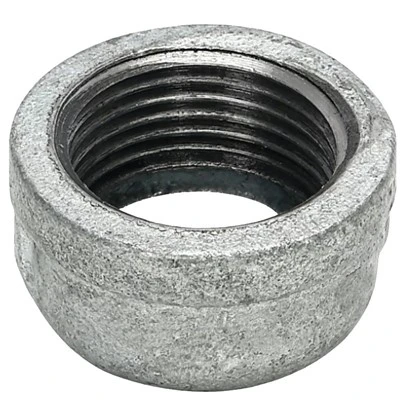
Coating and finishing can enhance the corrosion resistance and aesthetic appearance of a short radius 45 - degree elbow. Galvanizing is a common coating method, where a layer of zinc is applied to the surface of the elbow. Galvanized elbows are widely used in outdoor and corrosive environments due to the excellent corrosion - protection properties of zinc.
Other coatings, such as epoxy coatings, can also provide additional protection against corrosion and chemical attack. These coatings are often used in applications where the elbow is exposed to harsh chemicals or abrasive substances.


Related Products
If you are also in need of other pipe fittings, here are some links to related products:
- Fully Threaded Nipple
- Galvanized 90 Degree Female Elbow
- 90 Degree Reducing Elbow
- Galvanized Malleable Crossing
- Galvanized Malleable Flat Union
Conclusion
Identifying a high - quality short radius 45 - degree elbow requires careful consideration of multiple factors, including material quality, manufacturing process, dimensional accuracy, surface finish, pressure rating, and coating. By focusing on these aspects, you can ensure that you select an elbow that meets your specific requirements and provides long - term reliability.
As a trusted supplier of short radius 45 - degree elbows, I am committed to providing our customers with products of the highest quality. If you are interested in our products or have any inquiries about pipe fittings, we welcome you to contact us for procurement discussions. We look forward to working with you to meet your piping needs.
References
- ASME B16.9 - Factory - Made Wrought - Steel Buttwelding Fittings
- ISO 1127 - Stainless steel tubes — Dimensions, tolerances and masses per unit length
- Material Science and Engineering textbooks for understanding metal properties and manufacturing processes.