


As a supplier of Galvanized Malleable Caps, I understand the critical importance of quality control in ensuring that our products meet the highest standards. In this blog post, I will delve into the quality control process for Galvanized Malleable Caps, sharing insights into the steps we take to guarantee the reliability and durability of our offerings.
Raw Material Inspection
The quality control process begins with the inspection of raw materials. We source high - grade malleable iron from trusted suppliers. The raw material is carefully examined for its chemical composition, physical properties, and surface quality.
Chemical analysis is performed to ensure that the malleable iron contains the right balance of elements such as carbon, silicon, and manganese. These elements play a crucial role in determining the strength, ductility, and other mechanical properties of the final product. For example, an appropriate carbon content helps in achieving the desired hardness and toughness.
Physical property tests, including tensile strength and elongation tests, are carried out. Tensile strength measures the maximum stress that the material can withstand before breaking, while elongation indicates the material's ability to stretch without fracturing. A high - quality malleable iron should have sufficient tensile strength and elongation to ensure that the Galvanized Malleable Caps can endure the pressures and stresses they will face in various applications.
Surface quality inspection is also vital. Any defects such as cracks, porosity, or inclusions on the raw material can lead to weaknesses in the final product. We use advanced non - destructive testing methods, such as magnetic particle inspection and ultrasonic testing, to detect these surface and subsurface defects.
Manufacturing Process Control
Once the raw materials pass the inspection, the manufacturing process begins. During this stage, strict process control measures are implemented to ensure consistency and quality.
Casting is the first step in manufacturing Galvanized Malleable Caps. We use precision casting techniques to ensure that the caps are formed accurately. The casting process is closely monitored to control parameters such as pouring temperature, pouring speed, and mold filling time. Incorrect casting parameters can result in defects like shrinkage cavities, misruns, or cold shuts.
After casting, the caps undergo heat treatment. Heat treatment is essential for improving the mechanical properties of the malleable iron. The caps are heated to a specific temperature and then cooled at a controlled rate. This process helps in transforming the structure of the iron, making it more ductile and strong. We use thermocouples and temperature controllers to precisely monitor and control the heat treatment process.
Machining is another critical step. The caps are machined to achieve the required dimensions and surface finish. We use high - precision machining equipment, such as lathes and milling machines. During machining, we regularly measure the dimensions of the caps to ensure they meet the specified tolerances. Any deviation from the tolerance range can affect the fit and functionality of the caps.
Galvanizing Process Quality Assurance
Galvanizing is a key process for Galvanized Malleable Caps as it provides corrosion resistance. The galvanizing process is carried out in a well - controlled environment.
Before galvanizing, the caps are thoroughly cleaned to remove any dirt, grease, or oxides. This cleaning process is crucial as it ensures good adhesion of the zinc coating. We use a combination of chemical cleaning and mechanical cleaning methods to achieve a clean surface.
The caps are then immersed in a zinc bath at a specific temperature. The immersion time is carefully controlled to ensure that the zinc coating has the right thickness. A proper zinc coating thickness is essential for long - term corrosion protection. We use coating thickness gauges to measure the thickness of the zinc coating at multiple points on each cap.
The quality of the zinc coating is also evaluated for its uniformity and adhesion. Any blisters, peeling, or uneven coating can compromise the corrosion resistance of the caps. We conduct adhesion tests, such as the scratch test, to ensure that the zinc coating adheres firmly to the surface of the caps.
Final Inspection
After the manufacturing and galvanizing processes are completed, the Galvanized Malleable Caps undergo a final inspection. This inspection is a comprehensive check to ensure that the caps meet all the quality standards.
Visual inspection is the first step. We carefully examine each cap for any visible defects such as surface scratches, dents, or coating irregularities. Any caps with visible defects are removed from the production line.
Dimensional inspection is also carried out using precision measuring tools such as calipers and micrometers. The caps are checked for their outer diameter, inner diameter, length, and thread dimensions. All dimensions must be within the specified tolerance limits.
Functional testing is an important part of the final inspection. We test the caps for their sealing performance and compatibility with other pipe fittings. For example, we check if the caps can be easily threaded onto pipes and if they provide a tight seal to prevent leakage.
Comparison with Other Fittings
In the market of malleable iron pipe fittings, Galvanized Malleable Caps are just one of the many products. Other popular fittings include Galvanized Malleable Equal Tee, Long Radius 90 Degree Elbow, Threaded Reducing Socket, Galvanized Malleable Bushing, and Galvanized Malleable Round Flange. While the quality control processes for these fittings share some similarities, there are also differences due to their unique designs and functions.
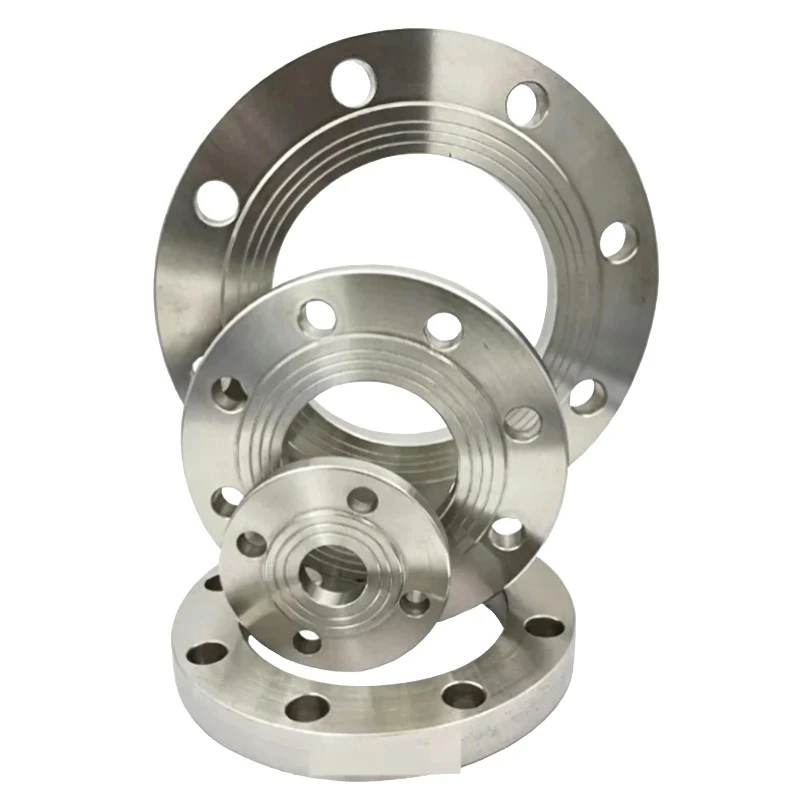
For example, the Galvanized Malleable Equal Tee requires special attention to the alignment of its three openings to ensure proper flow of fluids. The Long Radius 90 Degree Elbow needs to have a smooth internal surface to minimize flow resistance. The Threaded Reducing Socket must have accurate thread dimensions to ensure a proper fit with different pipe sizes. The Galvanized Malleable Bushing should have a consistent wall thickness to provide reliable support. And the Galvanized Malleable Round Flange needs to have a flat and smooth surface for proper sealing.

Conclusion and Call to Action
In conclusion, the quality control process for Galvanized Malleable Caps is a multi - step and comprehensive approach that ensures the production of high - quality products. From raw material inspection to final inspection, every stage is carefully monitored to guarantee the reliability, durability, and performance of the caps.
If you are in the market for Galvanized Malleable Caps or any other malleable iron pipe fittings, we are here to provide you with top - quality products. Our strict quality control process gives you the confidence that you are getting products that meet the highest industry standards. Contact us to discuss your procurement needs and let's start a fruitful business relationship.
References
- ASME B16.3 - Malleable Iron Threaded Fittings.
- ASTM A197 - Standard Specification for Malleable Iron Castings for General Engineering Use.
- ISO 49 - Pipe Fittings - Malleable Iron Threaded Fittings.


