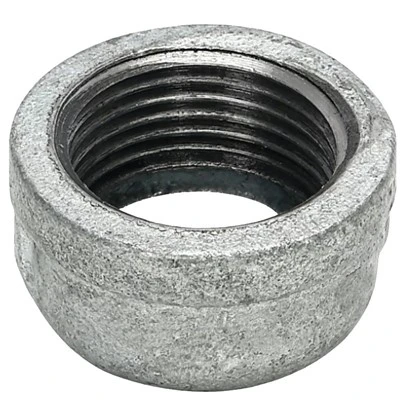
As a supplier of fully threaded nipples, I understand the critical importance of ensuring the quality and integrity of these essential pipe fittings. A fully threaded nipple is a short piece of pipe with male threads on both ends, used to connect two other female-threaded fittings in a piping system. The reliability of the entire piping network can be severely compromised if a damaged nipple goes undetected. In this blog post, I'll share some comprehensive guidelines on how to inspect a fully threaded nipple for damage.
Visual Inspection
The first and most straightforward step in inspecting a fully threaded nipple is a visual examination. Begin by placing the nipple on a clean, well-lit surface. A good source of light will help you identify even the smallest signs of damage.


-
Surface Cracks: Check the entire surface of the nipple for cracks. Cracks can be caused by improper handling, excessive stress during installation, or manufacturing defects. A crack, even a hairline one, can lead to leaks in the piping system. Run your fingers gently along the surface to feel for any rough edges that might indicate the presence of a crack. If you suspect a crack but can't see it clearly, you might use a magnifying glass to get a closer look.
-
Corrosion: Corrosion is a common problem, especially in environments where the nipple is exposed to moisture, chemicals, or high humidity. Look for signs of rust, flaking, or discoloration on the surface. Galvanized fully threaded nipples are coated to resist corrosion, but the coating can wear off over time or due to physical damage. If you find areas where the galvanized layer has been compromised, it's important to assess the extent of the underlying corrosion.
-
Thread Damage: The threads on a fully threaded nipple are crucial for a proper connection. Inspect each thread carefully for any signs of damage such as nicks, burrs, or stripped threads. Nicks and burrs can prevent a tight seal and may cause leaks. Stripped threads are a more severe issue and will likely require the nipple to be replaced. You can use a thread gauge to check if the threads meet the correct specifications. If the gauge doesn't fit properly or shows irregularities, the threads may be damaged.
Dimensional Inspection
Ensuring that the fully threaded nipple meets the correct dimensional specifications is vital for its proper functioning.
- Length: Use a caliper or a measuring tape to check the length of the nipple. Compare the measured length with the specified dimensions. Any significant deviation from the standard length can affect the installation and the performance of the piping system.
- Diameter: Measure the outer diameter of the nipple at several points along its length. Variations in diameter can indicate manufacturing defects or damage. A consistent diameter is essential for a proper fit with other fittings.
- Thread Pitch: The thread pitch, which is the distance between adjacent threads, must also be inspected. Incorrect thread pitch can prevent a proper connection between the nipple and other fittings. Again, a thread gauge can be used to verify the thread pitch.
Pressure Testing
If possible, conducting a pressure test is an excellent way to check the integrity of a fully threaded nipple.
- Set Up the Test: Connect the fully threaded nipple to a pressure testing apparatus within a closed piping system. Fill the system with a suitable fluid, usually water, and gradually increase the pressure to the specified test pressure.
- Monitor for Leaks: Keep a close eye on the nipple and the entire piping system during the pressure test. Look for any signs of leaks, such as drips or sprays of fluid. If a leak is detected, it could indicate a crack, a problem with the threads, or other damage to the nipple.
- Hold the Pressure: Once the test pressure is reached, hold it for a specified period, typically a few minutes. If the pressure drops significantly during this time, it's a sign of a leak in the system, and the nipple should be further inspected.
Microscopic Inspection
In some cases, especially for high - pressure or critical applications, a microscopic inspection may be necessary.
- Use Microscopy Equipment: A metallurgical microscope can be used to examine the surface of the nipple at a microscopic level. This can help detect very small cracks, inclusions, or other defects that may not be visible to the naked eye.
- Analyze the Results: A trained technician can analyze the microscopic images to determine if the nipple meets the required quality standards. If any defects are found, appropriate actions can be taken, such as replacing the nipple or further investigating the cause of the defect.
Comparison with Standards
It's essential to compare the inspected fully threaded nipple with relevant industry standards.
- Understand the Standards: Familiarize yourself with the standards applicable to fully threaded nipples, such as ASTM (American Society for Testing and Materials) standards. These standards define the requirements for material properties, dimensions, and performance.
- Check Compliance: Ensure that the nipple meets all the requirements stipulated in the relevant standards. If the nipple fails to meet any of the standards, it should not be used in the piping system.
Related Products
In addition to fully threaded nipples, we also offer a range of other pipe fittings, such as Galvanized Malleable Plug, Galvanized Malleable Cap, Galvanized Reducing Cross, Galvanized Malleable Crossing, and Long Radius 90 Degree Elbow. These fittings are also subject to strict quality control and inspection to ensure their reliability.
Conclusion and Call to Action
Inspecting a fully threaded nipple for damage is a multi - step process that requires attention to detail and the use of appropriate tools. By following the guidelines outlined in this blog post, you can ensure that the fully threaded nipples you use in your piping systems are of the highest quality and free from defects.
If you're in the market for fully threaded nipples or any of the related pipe fittings mentioned above, we're here to provide you with top - quality products. Our team of experts can assist you in selecting the right fittings for your specific needs. Contact us to start a procurement discussion and find the best solutions for your piping projects.
References
- ASTM International. (Year). Standard specifications for relevant pipe fittings.
- Manufacturer's guidelines for fully threaded nipples and related products.