


As a dedicated supplier of Threaded Reducing Sockets, I often receive inquiries regarding their various properties. One question that surfaces quite frequently is about the chemical resistance of these essential components. In this blog post, I'll delve into the intricacies of what chemical resistance means for Threaded Reducing Sockets, the factors that influence it, and how it impacts their performance in different applications.
Understanding Chemical Resistance
Chemical resistance refers to a material's ability to withstand the deteriorating effects of chemical substances. When it comes to Threaded Reducing Sockets, this property is of utmost importance. These sockets are commonly used in piping systems that transport a wide range of chemicals, from mild substances like water to highly corrosive acids and alkalis. If a socket lacks sufficient chemical resistance, it can degrade over time, leading to leaks, system failures, and potential safety hazards.

Materials and Their Chemical Resistance
Threaded Reducing Sockets are typically made from different materials, each with its own unique set of chemical resistance characteristics.
Malleable Iron
Malleable iron is one of the most common materials used for Threaded Reducing Sockets. It offers good mechanical strength and is relatively cost - effective. In terms of chemical resistance, malleable iron has moderate resistance to water and some non - aggressive chemicals. However, it is susceptible to corrosion in the presence of acids, alkalis, and certain salts. For example, in a system where the transported fluid has a high chloride content, malleable iron sockets may experience pitting corrosion over time.
Galvanized Malleable Iron
Galvanized malleable iron is malleable iron that has been coated with a layer of zinc. This zinc coating provides an additional layer of protection against corrosion. Galvanized malleable iron Threaded Reducing Sockets are more resistant to water, moisture, and some mildly corrosive substances compared to non - galvanized malleable iron. The zinc acts as a sacrificial anode, corroding in place of the iron beneath it. However, in highly acidic or alkaline environments, the zinc coating can be quickly consumed, leaving the underlying iron vulnerable to corrosion.
Stainless Steel
Stainless steel is renowned for its excellent chemical resistance. Threaded Reducing Sockets made from stainless steel can withstand a wide range of chemicals, including acids, alkalis, and salts. The chromium in stainless steel forms a passive oxide layer on the surface, which protects the metal from further corrosion. This makes stainless steel sockets ideal for applications in the chemical, food and beverage, and pharmaceutical industries, where the transported fluids are often corrosive.
Factors Affecting Chemical Resistance
Several factors can influence the chemical resistance of Threaded Reducing Sockets.
Concentration of Chemicals
The concentration of the chemicals in the fluid being transported plays a significant role. Higher concentrations of corrosive chemicals are more likely to cause damage to the sockets. For example, a low - concentration acid solution may have little effect on a galvanized malleable iron socket, but a highly concentrated acid can quickly eat away at the zinc coating and the underlying iron.
Temperature
Temperature also has a profound impact on chemical resistance. As the temperature increases, the rate of chemical reactions generally speeds up. This means that sockets that are resistant to a particular chemical at room temperature may experience corrosion at higher temperatures. For instance, some plastics used in specialty Threaded Reducing Sockets may soften or degrade when exposed to high - temperature chemicals, reducing their chemical resistance.
Flow Rate
The flow rate of the fluid through the socket can affect its chemical resistance. A high - flow rate can cause mechanical wear on the socket's surface, which can expose the underlying material to the chemicals. Additionally, a high - flow rate can increase the likelihood of erosion - corrosion, where the movement of the fluid removes the protective oxide layer on the socket's surface.
Importance of Chemical Resistance in Different Applications
Water and Wastewater Systems
In water and wastewater systems, Threaded Reducing Sockets are used to connect pipes of different diameters. These systems often contain chemicals such as chlorine, which is used for disinfection. Sockets with good chemical resistance are essential to prevent corrosion and ensure the long - term reliability of the system. For example, a Galvanized Malleable Bushing can be a suitable choice for low - pressure water systems, as it offers some protection against the mild corrosive effects of chlorine.
Chemical Processing Plants
In chemical processing plants, the fluids being transported can be highly corrosive. Pipes and fittings, including Threaded Reducing Sockets, must be able to withstand these harsh chemicals without degradation. Stainless steel sockets are commonly used in these environments due to their excellent chemical resistance. For example, a Threaded Reducing Bushing made of stainless steel can be used to connect pipes of different sizes in a system that transports sulfuric acid.
Oil and Gas Industry
In the oil and gas industry, Threaded Reducing Sockets are exposed to a variety of chemicals, including hydrogen sulfide, which is highly corrosive. The sockets must be able to resist the corrosive effects of these chemicals to ensure the safety and integrity of the pipelines. Specialized coatings and materials are often used to enhance the chemical resistance of sockets in this industry. For example, a Galvanized Male Reducing Nipple with a corrosion - resistant coating can be used in a pipeline that transports sour gas.
Selecting the Right Threaded Reducing Socket Based on Chemical Resistance
When selecting a Threaded Reducing Socket, it is crucial to consider the chemical properties of the fluid being transported. Here are some guidelines:
- Identify the chemicals: Determine the types of chemicals present in the fluid, their concentrations, and their pH levels.
- Consider the operating conditions: Take into account the temperature, pressure, and flow rate of the fluid.
- Choose the right material: Based on the above factors, select a socket made of a material that offers sufficient chemical resistance. For example, if you are dealing with a highly acidic environment, stainless steel may be the best choice.
Related Products and Their Chemical Resistance
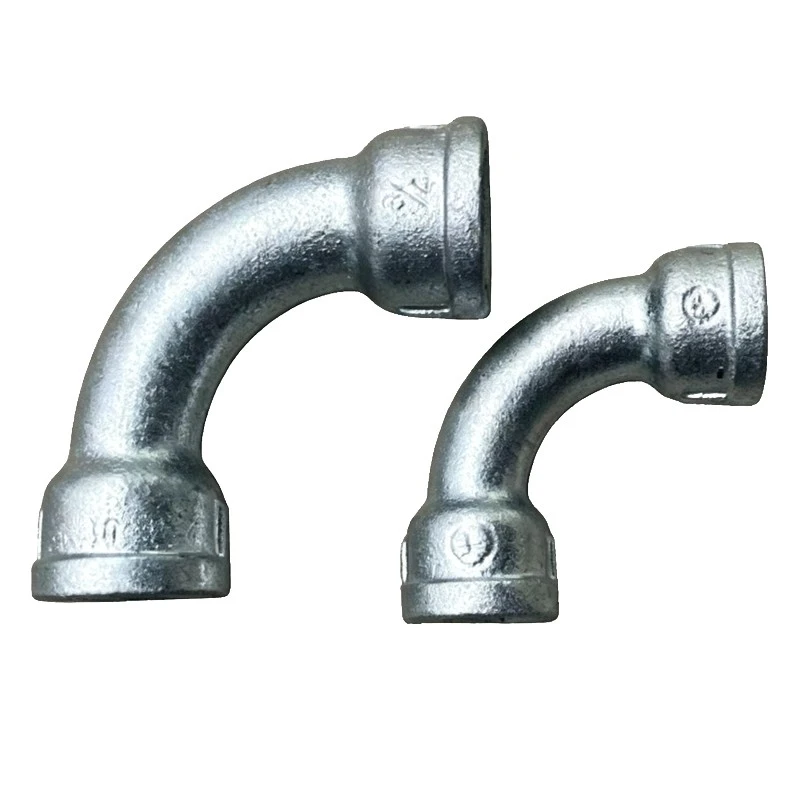
- Long Radius 90 Degree Elbow: These elbows are used to change the direction of the pipeline. Similar to Threaded Reducing Sockets, their chemical resistance depends on the material used. Stainless steel long - radius 90 - degree elbows are highly resistant to a wide range of chemicals, while malleable iron elbows have more limited chemical resistance.
- Galvanized Malleable Flat Union: These unions are used to connect two pipes together. The galvanized coating provides some protection against corrosion, but they may not be suitable for highly corrosive environments.
Conclusion
The chemical resistance of Threaded Reducing Sockets is a critical factor that determines their performance and longevity in different applications. By understanding the materials, factors affecting chemical resistance, and the requirements of specific applications, you can select the right socket for your needs. As a supplier, I am committed to providing high - quality Threaded Reducing Sockets and other pipe fittings that meet the diverse chemical resistance requirements of our customers. If you are in the market for these products or have any questions about chemical resistance, please don't hesitate to contact us to discuss your procurement needs.
References
- "Corrosion and Corrosion Control" by Mars G. Fontana
- "Handbook of Chemical Resistance" by P. A. Schweitzer


